
Community Investment Grants
2027–2029 Funding Cycle
United Way of the Lakeshore is opening its next Community Investment Grant cycle to support programs that create meaningful, measurable impact across Muskegon, Newaygo, and Oceana Counties.
This three-year funding cycle will run from January 2027 through December 2029 and will focus on three priority areas:
Childcare
Expanding access to safe, reliable, affordable childcare that supports working families and healthy child development.

Early Literacy
Helping children build strong reading foundations so they are ready to learn, grow, and succeed.

Housing
Supporting programs that help individuals and families access or maintain safe, stable housing.

Important Dates for Agencies
June 5, 2026 Letter of Intent Opens
June 26, 2026 Deadline to Submit Letter of Intent
July 20–24, 2026 Agency Notifications Sent for Advancement to Full Application Process
August 3, 2026 Agency Training on Grant Portal & Application Process
August 7, 2026 Full Grant Application Portal Opens
August 21, 2026 Full Grant Applications Due / Portal Closes
September 29, 2026 Childcare Program Presentations to Volunteer Review Panels
October 1, 2026 Housing Program Presentations to Volunteer Review Panels
October 13, 2026 Early Literacy Program Presentations to Volunteer Review Panels
Early December 2026 Grant Award Notifications Released
January 1, 2027 Funding Cycle Begins
Who Can Apply?
Eligible applicants may include:
501(c)(3) nonprofit organizations
Educational institutions
Government entities
Faith-based organizations providing community programs without requiring religious participation
Organizations serving residents in Muskegon, Newaygo, and/or Oceana Counties
Programs must align with one of United Way of the Lakeshore’s 2027–2029 focus areas: childcare, early literacy, or housing.
Priority Areas & Required Outcomes
United Way of the Lakeshore’s 2027–2029 Community Investment Cycle is focused on measurable community impact across Muskegon, Newaygo, and Oceana Counties through three priority areas:
Early Literacy
Housing
Childcare
Programs applying for funding must clearly align with at least one priority area and demonstrate how their work contributes to meaningful, measurable outcomes within that area.
-
The program examples listed within each priority area are intended to provide general guidance and inspiration for applicants. These examples are not exhaustive and are not intended to limit eligible program models or approaches.
United Way of the Lakeshore welcomes innovative, collaborative, and community-informed strategies that align with the goals and outcomes of each focus area.
Programs that demonstrate strong alignment with community need, measurable impact, and the identified priority areas are encouraged to apply, even if their specific model is not explicitly listed.
-
All funded programs will be required to report measurable outcomes throughout the funding cycle.
Each funded program must commit to tracking and reporting on at least ONE required outcome measurement tied to their selected impact area. Programs may choose to report additional outcomes if applicable.
Organizations should be prepared to explain:
How data will be collected
How outcomes will be measured
What tools or assessments will be used
How the program will track participant progress over time
-
United Way of the Lakeshore understands that meaningful community change takes time and that community impact work is complex. Outcome measurements are intended to support learning, accountability, and shared impact — not create unnecessary barriers for organizations doing important work in our communities.
Our goal is to partner with agencies throughout the funding cycle to strengthen data collection, improve community outcomes, and better understand the collective impact we are creating together.
-
United Way seeks to support programs that help children ages 0–8 build strong literacy and developmental foundations that contribute to long-term educational success.
Programs may include, but are not limited to:
Early childhood literacy initiatives
Reading readiness programs
Parent engagement programs
Tutoring or mentoring
Book access initiatives
Family literacy programming
Developmental learning supports
Required Outcome Measurements
Programs must track at least one of the following:
XX% of children ages 0–8 demonstrate significant improvement in developmental or early literacy skills, including age-appropriate developmental milestones, letter identification, phonemic awareness, or reading fluency between baseline and follow-up assessments.
XX% of parents/caregivers report reading with their child at least 15 minutes per day by the end of the program.
XX% of families engage in three or more literacy-building activities per week, including reading, storytelling, letter games, or library visits.
Examples of Potential Measurement Tools
Examples of potential measurement tools may include, but are not limited to:
Pre/post literacy assessments
Kindergarten readiness screenings
Parent surveys
Attendance and engagement tracking
Reading fluency benchmarks
Developmental milestone tools
Organizations may propose alternative tools, assessments, surveys, or tracking systems that appropriately demonstrate program impact and outcome achievement.
-
United Way seeks to support programs that help individuals and families obtain, maintain, or stabilize safe and sustainable housing.
Programs may include, but are not limited to:
Homelessness prevention
Housing navigation
Rapid rehousing
Financial literacy
Eviction prevention
Tenant advocacy
Housing stabilization services
Supportive housing services
Required Outcome Measurements
Programs must track at least one of the following:
XX% of individuals participating in housing and financial literacy programs increase disposable income by accessing benefits, tax credits, or reducing household costs.
XX% of individuals participating in housing programs secure or maintain stable housing for more than six months following program support.
XX% reduction in evictions through legal representation, mediation, and other innovative eviction prevention or housing stabilization strategies.
Examples of Potential Measurement Tools
Examples of potential measurement tools may include, but are not limited to:
HMIS data
Follow-up housing status checks
Financial coaching assessments
Income and benefit tracking
Eviction filing data
Participant self-reporting surveys
Organizations may propose alternative tools, assessments, surveys, or tracking systems that appropriately demonstrate program impact and outcome achievement.
-
United Way seeks to support programs that improve access to affordable, high-quality childcare that meets the needs of working families and supports healthy early childhood development.
Programs may include, but are not limited to:
Licensed childcare expansion
Infant and toddler care
Non-traditional hour childcare
Childcare workforce development
Family childcare supports
Subsidy navigation
Quality improvement initiatives
Required Outcome Measurements
Programs must track at least one of the following:
XX% increase in the availability of licensed childcare slots, including expanded infant and toddler capacity, convenient locations, or non-traditional operating hours.
XX% increase in the number of families accessing affordable childcare through subsidies or financial assistance.
XX% of participating childcare programs demonstrate strengthened early learning environments through improved staff credentials and strong performance on recognized quality rating tools.
Examples of Potential Measurement Tools
Examples of potential measurement tools may include, but are not limited to:
Licensing and enrollment data
Provider capacity tracking
QRIS/quality rating assessments
Staff credential records
Parent affordability surveys
Subsidy enrollment data
Organizations may propose alternative tools, assessments, surveys, or tracking systems that appropriately demonstrate program impact and outcome achievement.
Letter of Intent
Status: Closed
The Letter of Intent submission period closed on June 26, 2026.
Thank you to every organization that submitted a proposal. Our Community Impact Team is currently reviewing Letters of Intent.
Organizations will be notified between July 20–24, 2026 regarding whether they have been invited to continue to the Full Application phase.
If selected, organizations will receive:
An invitation to submit a Full Application
Access to the online grant portal
Application instructions and resources
Information about the August 3 applicant training
Application Support
We know this is a new funding cycle with updated priorities, metrics, and measurements. Our goal is to make the process as clear and supportive as possible.
Agencies may schedule a time block with United Way staff for help with the Letter of Intent. These sessions are designed to answer questions, clarify focus area alignment, and help agencies understand what information is needed before submitting.
Support may include:
Understanding the new focus areas
Determining program fit
Reviewing required metrics
Navigating the Letter of Intent form
Asking questions before submission
Schedule A Meeting Today With:

Wyneice Hairston,
Community Impact Director
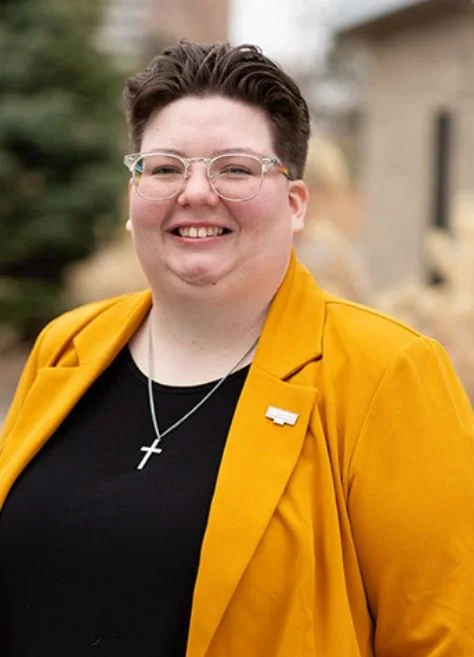
Dom Bunker,
Sr. Director of Community Solutions
Community Investment Volunteer Panels
Help Shape the Future of Our Community
Every gift made to United Way of the Lakeshore represents the trust our community places in us to invest wisely. Community Investment Volunteers play a vital role in ensuring those investments create meaningful, measurable impact across Muskegon, Newaygo, and Oceana Counties.
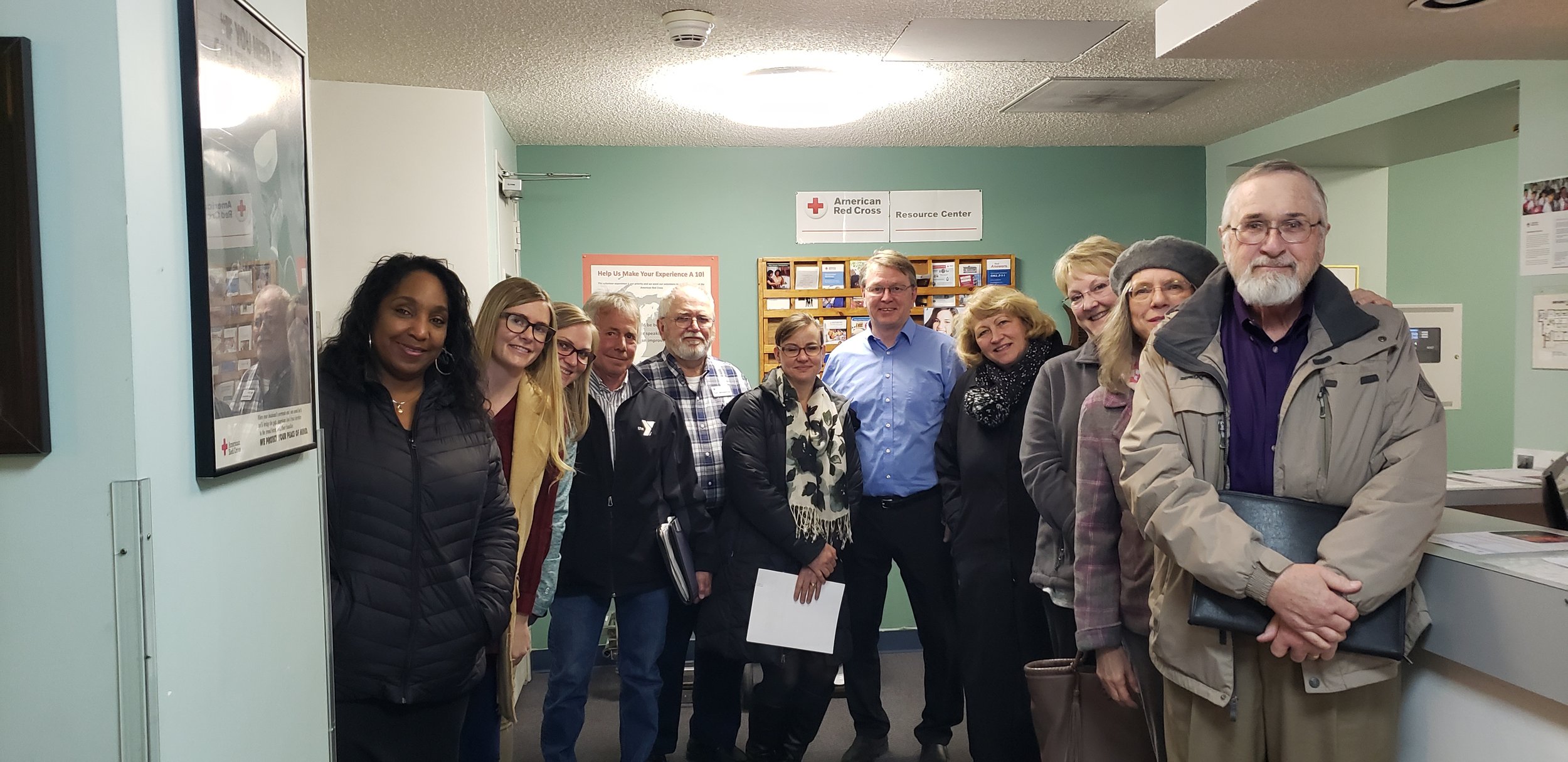
As a Community Investment Panel Volunteer, you'll work alongside other community leaders to review funding applications, hear directly from nonprofit organizations, and help make informed funding recommendations that strengthen children, families, and communities.
The recommendations developed by Community Investment Panels are presented to the Community Impact Strategy Team (CIST) and ultimately to the United Way Board of Directors for final funding approval.
Why Volunteer?
Our mission is to help working families thrive.
Following extensive community engagement, United Way of the Lakeshore identified three priority areas where strategic investments can make the greatest long-term impact:
Early Literacy
Housing Stability
Childcare
As a volunteer, you'll help determine how community investments support programs working to improve these areas and create lasting change throughout the Lakeshore region.
What You'll Do
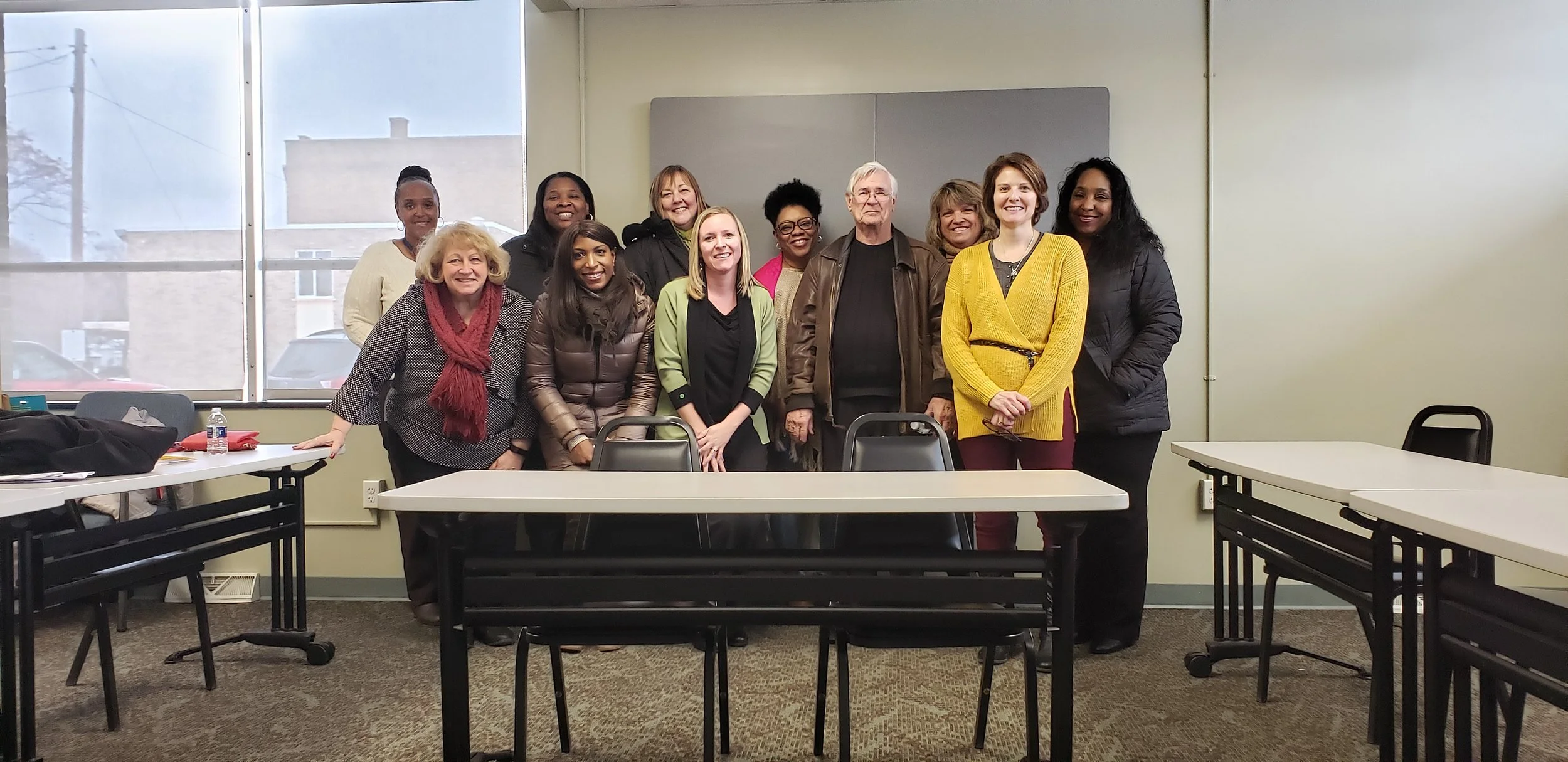
Community Investment Panel Volunteers work as part of a collaborative review team led by an experienced Impact Team Leader.
Responsibilities include:
Reviewing assigned grant applications
Learning about United Way's Community Investment priorities and funding process
Evaluating applications using a standardized scoring rubric
Asking thoughtful questions of applicant organizations
Participating in agency presentations
Collaborating with fellow panel members to develop funding recommendations
No previous grant review experience is required. Training and materials will be provided.
Volunteer Timeline
Full Timeline Coming Soon For Panel Review Dates
Volunteer Training:
Only ONE training is required to be a Community Investment Panelist. These are online trainings that take place. If you cannot make one but still want to be a Community Investment Panelist, please reach out to our team immediately to let us know.
September 1: Volunteer Training Session | Morning 10:00 AM – 11:30 AM
September 2: Volunteer Training Session | Afternoon 12:00 PM – 1:30 PM
September 3: Volunteer Training Session | Evening 4:00 PM – 5:30 PM
Volunteer Commitment
Community Investment Panel Volunteers should expect to dedicate approximately 10–12 hours during the fall grant review process.
Your commitment includes:
Required Training
Attend one volunteer orientation session to learn about:
United Way's Community Investment priorities
Grant review process
Evaluation criteria
Outcome measurements
Confidentiality expectations
Conflict of interest policies
Independent Application Review
Prior to panel meetings, volunteers will review assigned grant applications and score them independently using the Community Investment rubric.
Panel Meetings
Participate in two facilitated panel meetings where volunteers will:
Discuss applications
Hear agency presentations
Ask questions
Compare scores
Develop funding recommendations
Frequently Asked Questions
-
No. Comprehensive training and support are provided.
-
Yes. Volunteers may serve if there are no conflicts of interest related to the applications they are reviewing. Conflict of interest policies will be reviewed during training.
-
No. Volunteers are assigned to a specific Community Investment Panel based on one of the three priority areas. You’ll most likely review 10-12 applications.
-
Yes and no. Training will be done virtually. Panel discussions and agency presentations do have hybrid options for those that need it. However, it has been our experience that people have a more fulfilled experience attending in person.
Ready to Help Shape Community Investments?
Your perspective can help ensure community resources are invested where they will have the greatest impact.
Become a Community Investment Panel Volunteer today!
Questions?
For questions about serving as a Community Investment Panel Volunteer, please contact:
Wyneice Hairston
Community Impact Director
wyneice@unitedwaylakeshore.org
(231) 332-4017